


Last One
New
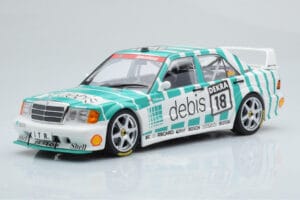
Mercedes 190E 2.5-16 W201 EVO 2 Debis #18 F. Giroix Team Zackspeed DTM 1991 Minichamps 1:18
Only 1 left
Price:
¥85,880
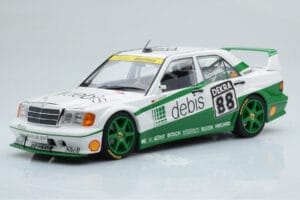
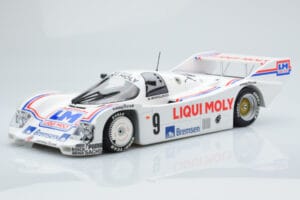
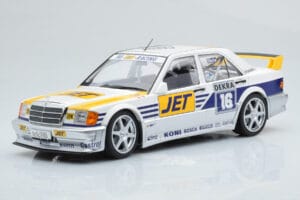
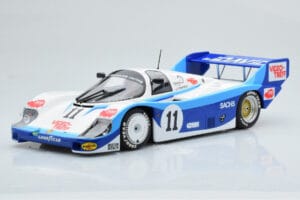
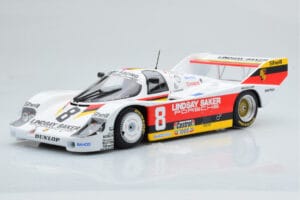
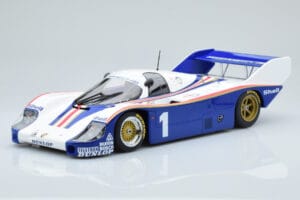
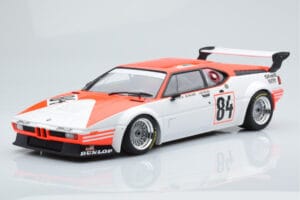
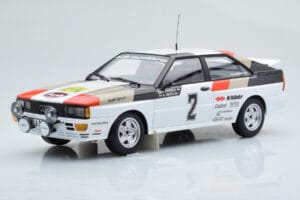
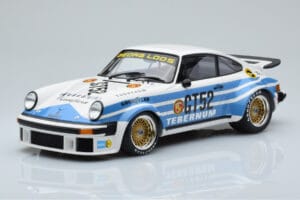
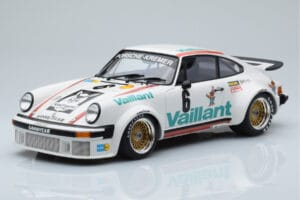
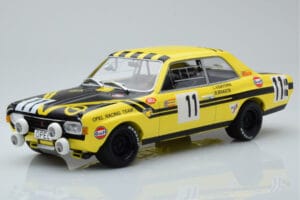
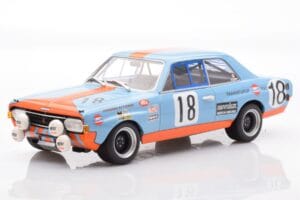
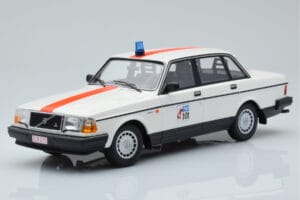

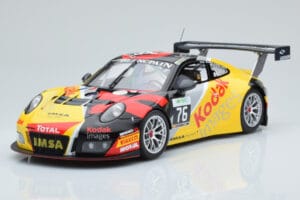
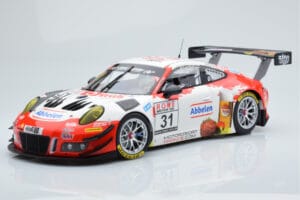
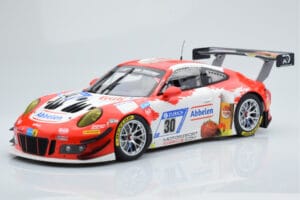





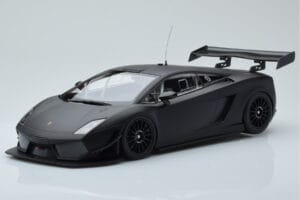
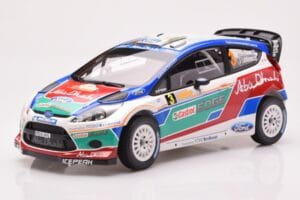
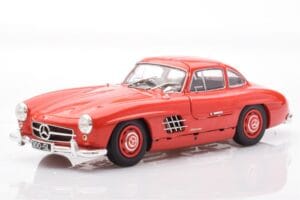
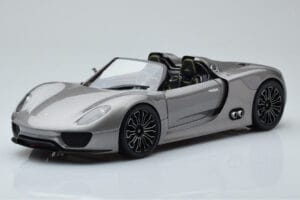
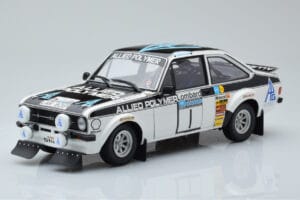
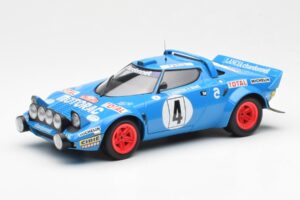

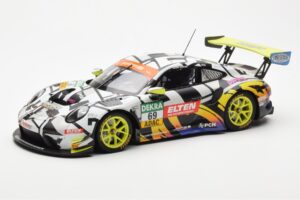
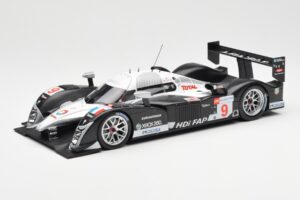
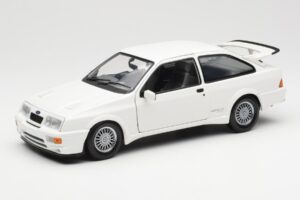
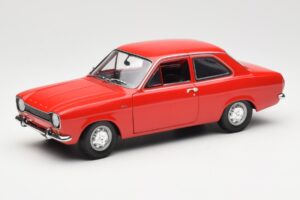
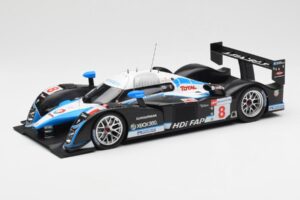
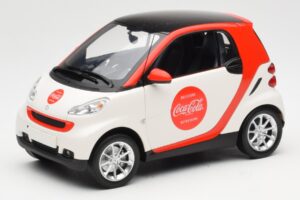
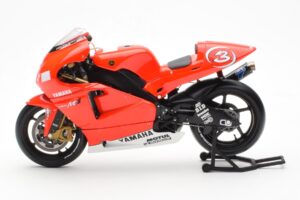
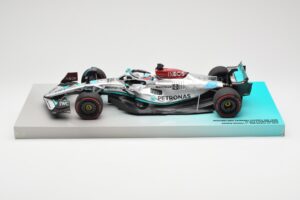
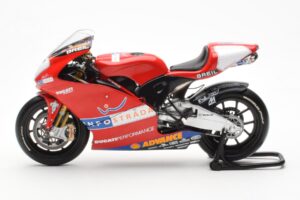
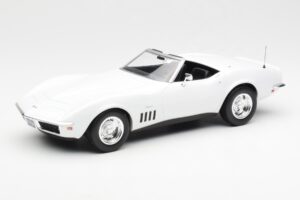
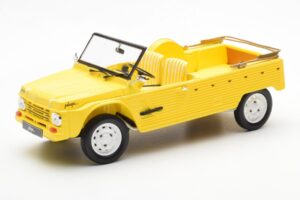
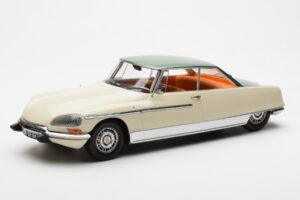
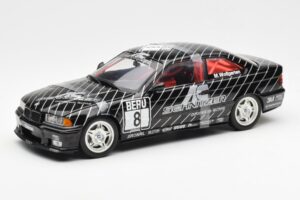
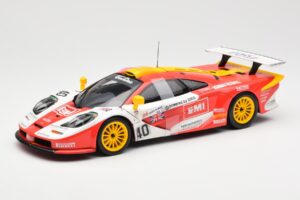
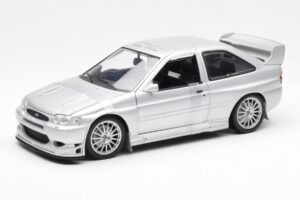
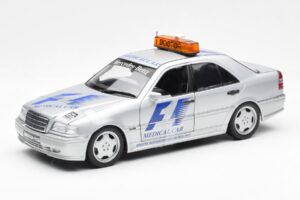

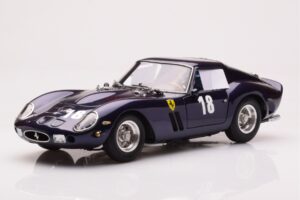
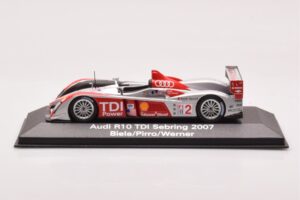
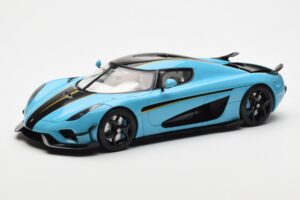
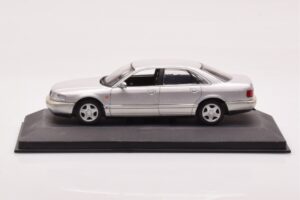
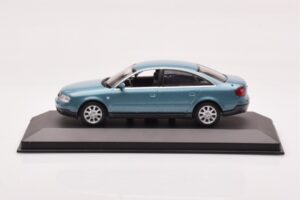


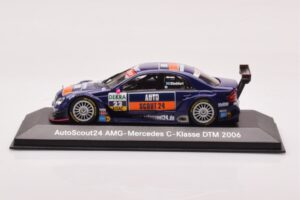
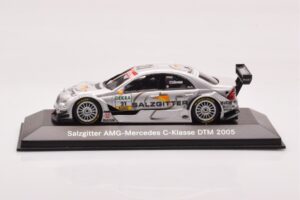

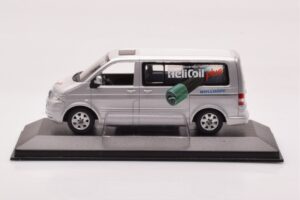
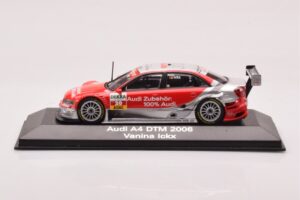

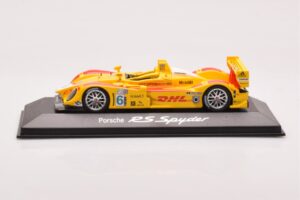

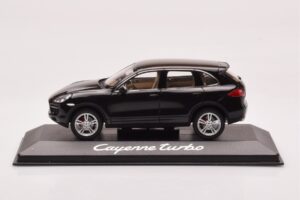
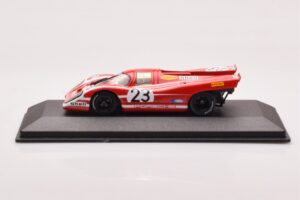
Diecast and resin scale models from Norev, GT Spirit, Minichamps, AUTOart, and more
Diecast and resin scale models in 1:18 (25-30 cm), 1:43 (10 cm), 1:24, and 1:12 (40 cm). Our 1:18 collection is the largest — Norev, GT Spirit, Minichamps, AUTOart, and more. Both brand-new releases and discontinued collector pieces. Since 2021.
14-Day Satisfaction Guarantee: return unused items in original packaging for a full refund. Defective item? We cover return shipping. Damaged in transit? Contact within 48 hours with photos — free replacement, no questions asked.
Start with what you love — a favorite car brand or era. Begin with 1:18 diecast for the best value-to-detail ratio. Set a monthly budget. Top starter brands: Norev and Solido offer the best quality-to-price ratio in diecast.
Top premium: CMC (hand-assembled, museum-quality), AUTOart (fully opening diecast), Minichamps (German precision), GT Spirit (resin limited editions), BBR (Italian craftsmanship). Best value: Norev and Solido.
Yes — reserve upcoming models with a 20% deposit. Benefits: guaranteed allocation (limited editions sell out fast), price lock, cancel anytime for full refund. We notify you on arrival; pay balance and we ship within 24 hours.
For beginners: Norev and Solido (best value in diecast). Mid-range: Almost Real and Minichamps (precision detail). Premium: AUTOart (opening parts), CMC (museum-grade). Resin collectors: GT Spirit and OttO Mobile for limited editions under 3,000 pieces.
1:18 models measure 25-28 cm — large, detailed, often with opening parts. 1:43 models are 10-12 cm — compact, affordable, ideal for larger collections. Most collectors start with 1:18 for impact, then add 1:43 for variety and space efficiency.
Yes — we ship to all EU countries and worldwide. 5-layer protective packing, full tracking, and shipping insurance included. EU delivery: 3-7 business days. International: 7-14 business days. Founded in 2021 in Poland, serving collectors in 27 countries.
A diecast model car is a precision replica of a real vehicle, made by injecting molten metal alloy — typically zinc, aluminum, or a blend of both — into steel molds under high pressure. The process produces a solid, heavy body that captures panel lines, proportions, and surface details far more accurately than plastic.
The name refers to the manufacturing method, not the complete model. A finished diecast piece combines metal bodywork with plastic interiors, rubber tires, and photo-etched accessories like grilles, wipers, and mirror housings. Manufacturers vary in how much metal they use: a €35 Norev has a metal body and plastic chassis, while a €300 AUTOart uses metal for both and adds functional suspension.
Collector diecast models are not toys. They are engineered replicas built for adult collectors, with licensed designs, accurate color codes, and production runs measured in hundreds or thousands — not millions. Scales range from 1:43 (palm-sized, ~10 cm) through 1:18 (bookshelf-sized, ~25 cm) to 1:12 (museum-grade, ~38 cm).
Resin is the other major material in scale model collecting. It produces lighter bodies with smoother paint finishes and sharper body lines, but at the cost of durability — resin chips on impact and almost never includes opening parts. Many collectors own both materials.
A 1:18 scale model car measures 25-28 cm (10-11 inches) long and weighs 800g-1.2 kg. At this size, a Porsche 911 that spans 4.5 meters in reality becomes a detailed desktop piece — heavy enough that you feel the metal the moment you pick it up.
1:18 is the most popular collector scale worldwide. The size allows manufacturers to engineer details that smaller scales cannot reproduce: individually wired engine bays, textured leather seats, legible instrument gauges, and functional opening doors, hood, and trunk.
Price guide for 1:18 models (diecast and resin):
€30-50 — Norev, Solido: solid opening parts, accurate proportions, good paint. Norev's Mercedes and Porsche licenses are particularly well-regarded at this price.
€50-100 — Minichamps, Almost Real: finer paint, sharper trim details, smaller production runs (500-2,000 pieces).
€80-150 — GT Spirit, OttOmobile (resin): no opening parts but noticeably sharper paint finish, bold colorways, limited editions of 300-1,500 pieces.
€200-500 — AUTOart Composite: functional suspension, wired engines, photo-etched grilles. The engineering benchmark at 1:18.
For collectors starting out, 1:18 offers the best combination of visual impact, detail, and manufacturer variety. One model on a shelf makes an impression. Ten make a collection.
1:43 scale models measure roughly 10 cm (4 inches) — palm-sized replicas that pack serious detail into a compact footprint. 1:12 scale measures 35-40 cm — museum-grade showpieces that weigh up to 3 kg. Both serve different needs than the dominant 1:18 format.
1:43 is the traditional European collector standard. Compact size means more models per shelf, lower cost per piece (€20-80), and access to the widest catalog in the hobby. Minichamps alone has produced over 30,000 different 1:43 references since 1990. Spark, IXO, and Schuco round out the field with motorsport liveries, rally cars, and everyday classics. The trade-off: fewer opening parts and smaller details than 1:18. But many collectors prefer displaying 50 models in a single cabinet versus 12 at the larger scale.
1:12 sits at the opposite extreme. At 35-40 cm, these models reveal details invisible at other scales: brake rotor spokes, tire sidewall markings, stitching on the steering wheel. Prices range from €200 to over €1,000, with GT Spirit, Kyosho, and AUTOart producing the most sought-after 1:12 pieces. These are statement objects — one model can anchor an entire display.
Choosing your scale: 1:18 for the balance of size and detail. 1:43 for variety and budget. 1:12 for a single breathtaking centerpiece.
Diecast models are made from metal alloy — heavy, durable, with opening doors and hoods. Resin models are cast from polyurethane — lighter, with smoother paint and sharper panel lines, but fragile and sealed shut. Both materials produce collector-grade replicas, and most serious collections include both.
Diecast gives you interaction. Open the doors, lift the hood, inspect the engine bay. The weight feels substantial — 800g to 1.2 kg at 1:18. Norev, Solido, and AUTOart produce diecast in runs of 2,000 to 20,000 pieces, keeping prices between €30 and €500 depending on brand and detail. Metal molds require higher tooling investment, which is why only well-known car models get the diecast treatment.
Resin prioritizes surface perfection. GT Spirit, OttOmobile, and BBR cast models in runs of 100 to 1,500 pieces. The material allows cleaner paint application, sharper body gaps, and shapes that metal molds struggle with. But resin is brittle — one drop means chips or cracks — and opening parts are almost nonexistent.
For investment: resin appreciates faster because of smaller runs. A GT Spirit model that retailed at €80 regularly trades at €150-300 within two years. Large-run diecast (5,000+ pieces) rarely appreciates unless it captures an iconic livery or gets discontinued unexpectedly.
Practical split: diecast for display and handling, resin for limited editions and long-term value.
Porsche is the most collected car brand in scale models worldwide. The 911 alone spans hundreds of model variations across generations — from the 1973 Carrera RS 2.7 to the 2024 992 GT3 RS. Mercedes and BMW follow closely, driven by AMG performance heritage and the M division's cult following.
Porsche collectors chase specific generations, color codes, and limited editions. The 930 Turbo, 964 RS, and 993 GT2 are the most reproduced subjects. Minichamps offers the broadest Porsche catalog (1:18 and 1:43), AUTOart delivers the most engineering detail, and Norev provides the strongest value under €50. Beyond the 911: the Taycan, Cayman GT4, and classic 356 are gaining collector momentum.
Mercedes-Benz covers everything from vintage 300 SL Gullwings to the AMG GT Black Series. The G63, AMG GT, and S-Class are current favorites. Mercedes licenses models to Norev, Minichamps, and AUTOart — guaranteeing accurate colors and specifications.
BMW collectors gravitate toward the M division: E30 M3, E46 CSL, G80 M3 Competition. These remain bestsellers across manufacturers. The Z4, M8, and classic 2002 Turbo round out a strong catalog.
Other high-demand brands: Ferrari (strict licensing makes models scarcer), Lamborghini (dramatic proportions suit scale), Audi (the RS6 Avant is a breakout star), and classic American muscle — Corvette, Mustang, Camaro.
Model car manufacturers range from high-volume producers like Norev (€35-60 per model) to engineering-focused brands like AUTOart (€200-500). Each occupies a specific niche in quality, scale, and collector appeal — and knowing the differences saves you money and disappointment.
Norev (France): 1:18 diecast with consistent quality and strong car brand licenses — Porsche, Mercedes, Renault, Peugeot. Opening parts, accurate proportions, and reliable paint at €35-60. The best entry point for serious collectors.
GT Spirit (France): 1:18 resin exclusively. Limited runs of 300-1,500 pieces. Known for bold colors and models that other manufacturers skip — Audi RS6, Toyota Supra, AMG GT. No opening parts, but the surface finish is noticeably sharper than diecast at any price.
Minichamps (Germany): Over 30,000 references since 1990 — the broadest catalog in the hobby. Strongest in F1, Porsche, and motorsport liveries. Available in 1:18, 1:43, and 1:12.
AUTOart (Hong Kong): The engineering benchmark. Their Composite series combines metal body panels with resin for complex shapes. Functional suspension, wired engines, photo-etched grilles. €200-500 reflects the detail level — measurably above everything else at 1:18.
OttOmobile (France): Resin models of cars other manufacturers overlook — Renault 5 Turbo, Peugeot 205 GTI, Volkswagen Corrado. Runs of 100-3,000. Cult following among European collectors.
IXO (Macau/Portugal): The 1:43 workhorse. Hundreds of models at €20-40, strong in rally, Le Mans, and commercial vehicles.
Other names to know: Kyosho, Solido, Spark, Almost Real, BBR, CMC.
The best diecast cars combine accurate proportions, quality paint, functional details, and a production run small enough to hold value over time. In 2026, the standout models come from AUTOart, Norev, Minichamps, and Almost Real — each at a different price point.
Under €50: Norev 1:18 Porsche 911 (992) — sharp proportions, four opening parts, accurate Porsche color codes. The strongest entry into serious 1:18 collecting. Solido 1:18 BMW M3 (E30) — a classic at a budget price with surprisingly good detail.
€50-100: Almost Real 1:18 Land Rover Defender — exceptional chassis detail, separate components, removable roof. Minichamps 1:18 BMW M3 (G80) — correct M division trim, clean interior.
€100-200: GT Spirit 1:18 Audi RS6 Avant (resin) — the model that defined GT Spirit's reputation. Limited runs sell out within months and appreciate fast. OttOmobile 1:18 Renault 5 Turbo — a cult car that consistently gains value on the secondary market.
€200+: AUTOart 1:18 Porsche 911 GT3 RS (Composite) — functional suspension, wired flat-six engine, photo-etched components. The closest thing to engineering art at 1:18 scale.
For investment potential, look for production runs under 1,000 pieces, models from discontinued manufacturer lines, and limited-edition colorways that match the real car's special editions. Resin from GT Spirit and OttOmobile appreciates fastest due to smaller runs.
Diecast and resin model cars regularly appreciate in value after production ends. A GT Spirit 1:18 that retailed for €80 can trade at €150-300 within two years. Models from discontinued manufacturers or in limited colorways have gained 200-500% over a decade.
Every model car has a finite production life. Once the manufacturer exhausts the run — 500 resin pieces or 5,000 diecast — the tooling goes on a shelf. No reprints, no second editions. This scarcity drives the collector market.
What appreciates: Small production runs (under 1,000 units), iconic cars (911 GT3, E30 M3, F40), limited colorways, and models from manufacturers that have ceased certain production lines. AUTOart models from the early 2010s routinely sell at 2-3x their original retail price today.
What holds steady: Mass-produced models in runs of 10,000+ (Maisto, Bburago) rarely gain value. Generic colors — black, silver, white — hold less value than production-specific shades like GT Silver Metallic or Signal Green.
Condition drives price: Factory-sealed models in original packaging command 30-50% premiums over displayed pieces. If you buy with future value in mind, keep the box, the foam inserts, and the original wrapping.
The pre-owned market: Discontinued models circulate collector-to-collector. Prices depend on condition, remaining supply, and current demand. Inspection matters — paint condition, alignment of opening parts, and completeness of fragile accessories (mirrors, antennas, wipers) all affect resale value.
The best way to display scale model cars is in a sealed acrylic or glass case that blocks dust, UV light, and accidental contact. For 1:18 models, cases with at least 30 cm interior width work best. For 1:43, stackable 12 cm cases maximize shelf density without crowding.
Display cases range from individual acrylic boxes (€5-15 per model) to wall-mounted cabinets with LED lighting (€50-200+). IKEA DETOLF glass cabinets — roughly €60 each — remain the most popular choice among collectors worldwide. One DETOLF holds 10-12 models at 1:18 or 20+ at 1:43.
Dust settles even inside closed cases over months. Clean diecast with a soft natural-bristle makeup brush, or use a camera lens air blower for contact-free removal. Never use water or cleaning solutions on diecast — moisture triggers zinc corrosion that shows up as bubbling paint years later.
UV protection is critical. Direct sunlight fades paint within months. Resin is especially vulnerable: UV degrades the polymer and yellows light-colored finishes. Position cases away from windows, or invest in UV-filtering acrylic panels.
Temperature stability matters more than most collectors realize. Avoid attics, garages, and unheated basements where temperature swings cause metal expansion and contraction — cracking paint and loosening glued parts over time. A stable 18-24°C environment is ideal.
Rotate displayed models every few months. This distributes UV exposure evenly and gives you a regular opportunity to inspect for developing issues.
When buying scale model cars online, look for stores that photograph each model individually instead of using manufacturer stock images. Real product photography reveals actual paint condition, part alignment, and packaging integrity — details that matter most for pre-owned and discontinued pieces.
What separates a good model car shop from a mediocre one:
Photography: Manufacturer renders and stock images hide imperfections. A diecast car store that handles and photographs every model before listing has physically inspected it. For pre-owned models, where condition varies piece to piece, this is the difference between confidence and guesswork.
Packaging: Standard cardboard and bubble wrap is not enough for diecast. A 1:18 model weighs 800g-1.2 kg — enough to break through single-wall packaging in transit. Multi-layer protection with foam inserts, rigid cardboard, and padded outer boxes keeps damage rates below 0.5%.
Returns: A clear return policy (14 days minimum) signals the store stands behind its inventory. Some sellers of pre-owned models exclude returns, citing "condition subjectivity" — but that shifts all risk to you as the buyer.
Condition grading: For pre-owned models, look for specific descriptions. "Mint in box" should mean factory-sealed in original packaging. "Excellent" should mean displayed but with zero visible wear. Vague terms like "good condition" leave too much room for surprises.
International shipping: Scale model collecting is a global market. Stores that ship worldwide with tracking and insurance give you access to discontinued models unavailable in your country — which is often where the most valuable pieces are found.